Source hotel travel shower cap for Home, Hotel, and Airline
Explore 30 listings for the hotel travel shower cap, comparing features like biodegradable materials, elastic designs, and customization options from suppliers in China. Buyers can evaluate pricing, MOQs, and delivery times to find suitable options for home, travel, and hotel use.
Key considerations
Products List






Comprehensive Sourcing Guide
Strategic Sourcing Guide for Hotel and Travel Shower Caps
Procuring disposable shower caps for the hospitality and travel sectors requires a nuanced understanding of material specifications, supply chain logistics, and compliance standards. Buyers must navigate a market where product attributes vary significantly between manufacturers, even when the core item remains identical. This guide provides a disciplined framework for evaluating suppliers and products, ensuring that procurement decisions are based on verified facts rather than marketing claims. The focus is on aligning product capabilities with the specific operational needs of hotels, airlines, and travel agencies while maintaining rigorous quality control.
Technical Specifications and Material Composition
The foundation of a successful procurement strategy lies in a precise definition of technical requirements. For shower caps, the primary differentiators are size, material composition, and structural design. Based on available market data, standard sizing for these products typically ranges from 17 inches to 24 inches, with specific models often cited as 17'', 18'', 19'', 20'', 21'', and 24''. Buyers should verify that the selected model number corresponds to the intended head circumference of their target demographic, which is generally adults.
Material selection is equally critical. While many suppliers offer "Eco-friendly" materials, the specific composition can vary. Some products are noted as biodegradable, while others may utilize customized material blends to achieve specific performance characteristics. The grammage, or weight per unit area, is a key indicator of durability and thickness. Observed ranges for this attribute fall between 9 and 16 GSM. A lower grammage may result in a thinner, more fragile cap that tears easily during use, whereas a higher grammage offers better protection but may increase cost and environmental impact.
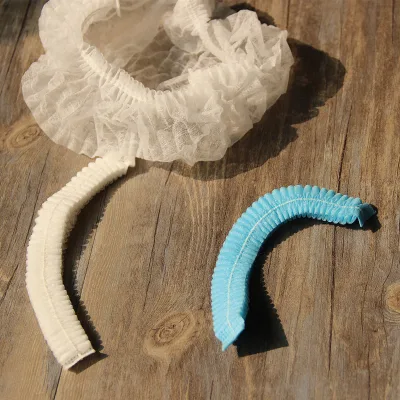
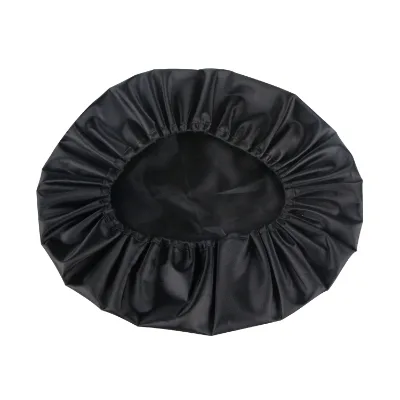
Design features also play a significant role in user experience. Common design configurations include "Elastic All Round at Edge" or specific shapes like "Mushroom Shape." The elasticity type is another variable; products are available in "Single Elastic" or "Double Elastic" styles. Double elastic designs generally provide a more secure fit, reducing the risk of the cap slipping during showering, which is a common complaint in the hospitality industry. Additionally, the color palette is often customizable, with standard options including white, blue, yellow, pink, red, orange, and black. Buyers must confirm if the desired color is a standard stock item or requires a custom production run, as this impacts lead times and minimum order quantities.
Compliance, Certification, and Safety Standards
In the B2B hospitality sector, compliance with international standards is non-negotiable. Suppliers should be able to provide documentation verifying their adherence to quality management systems. Common certifications observed in this category include ISO9001 and GMPC (Good Manufacturing Practice for Cosmetics). These certifications indicate that the manufacturing facility maintains consistent quality control processes and meets hygiene standards required for products that come into contact with the human body.
It is crucial to distinguish between verified certifications and unverified claims. While some product listings mention "Eco-Friendly" or "Biodegradable" attributes, buyers must request specific test reports or third-party verification to substantiate these claims. The term "Biodegradable" implies a specific decomposition timeline and environmental impact, which varies by material. Similarly, while some products are marketed as hypoallergenic, data indicates that not all shower caps in this category possess this attribute. Buyers should explicitly request a "Hypoallergenic" certification or a material safety data sheet (MSDS) if their clientele includes individuals with sensitive skin.
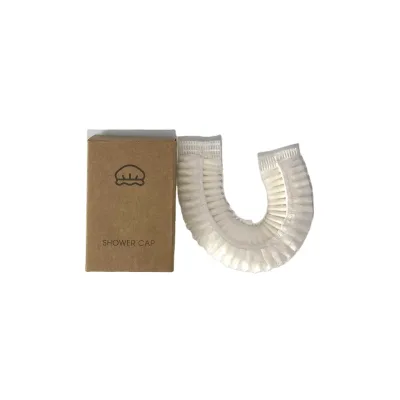
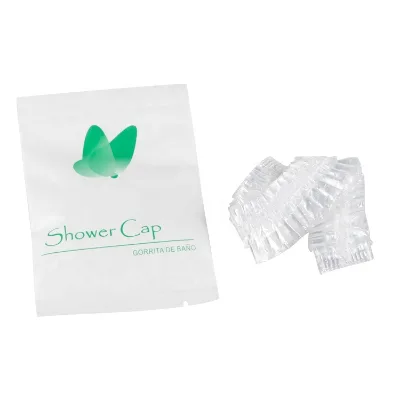
Furthermore, the "Eco-Friendly" advantage often cited by suppliers should be scrutinized. This may refer to the material itself, the packaging, or the manufacturing process. For instance, packaging options like "Eco-Friendly Paper Bag" or "Waterproof Paper Box" are distinct from the cap material. A buyer seeking a fully sustainable solution must ensure that both the product and its packaging meet their sustainability goals. The absence of specific certification data in a product listing should not be assumed to mean the product is non-compliant; rather, it necessitates a direct inquiry to the supplier for proof of compliance.
Cost Drivers and Economic Factors
Understanding the cost structure of shower cap procurement is essential for budget management. The price per unit is influenced by several variables, including material type, customization level, and order volume. Market observations indicate a price range of approximately 0 to 0.45 USD per unit, though this is highly dependent on the specific configuration.
The Minimum Order Quantity (MOQ) is a significant economic driver. Suppliers typically set MOQs ranging from 50 to 100,000 units, with a common threshold of 5,000 pieces or sets for standard orders. Higher volumes often secure better unit pricing, but buyers must balance this against storage costs and inventory turnover rates. Customization, such as printing a customer logo or selecting specific colors, generally increases the unit cost and may raise the MOQ threshold.
Payment terms also affect the overall financial planning. Standard industry practices often involve a 30% advance payment via Telegraphic Transfer (T/T) with the remaining 70% balanced upon completion or shipment. Buyers should negotiate terms that align with their cash flow, especially for large orders. Additionally, the "Sampling Time" of 5-7 days represents an upfront cost and time investment before full-scale production begins. This sampling phase is critical for validating the product against specifications before committing to a large order, preventing costly errors in mass production.
Typical Applications and Usage Scenarios
The versatility of disposable shower caps allows them to serve a wide array of applications within the travel and hospitality ecosystem. The primary use cases include home travel, hotel stays, spa services, and airline amenities. In a hotel context, these caps are often part of a larger amenity kit, designed to protect guests' hair while they shower. The "Single Elastic" or "Double Elastic" designs are selected based on the perceived luxury level of the establishment; higher-end hotels may prefer the more secure double-elastic fit.
For airlines, the constraints are different. Space and weight are critical factors, making the "Eco-friendly" and lightweight nature of these caps advantageous. The packaging must be compact, with single package sizes often around 20x3x0.15 cm. In spa and wellness centers, the focus is on hygiene and comfort, making the "Soft, Natural" feel of the material a key selling point.
The "Use" attribute often lists "Home Travel Hotel SPA Airline," indicating a broad market applicability. However, buyers should tailor their selection to the specific environment. For example, a product labeled for "5 star luxury hotel amenities" might require a more premium packaging solution, such as a waterproof paper box, compared to a budget hotel that might opt for a simple paper bag. Understanding the end-user environment helps in selecting the right balance of durability, aesthetics, and cost.
Supplier Evaluation and Production Capacity
Evaluating a supplier requires a deep dive into their operational capabilities and geographic location. The origin of the product is a key indicator of supply chain logistics. Major manufacturing hubs for these items include Hubei and Jiangsu in China. These regions have established infrastructure for producing disposable hygiene products, but buyers should verify the specific factory location to assess shipping times and potential geopolitical risks.
Production capacity is another vital metric. Suppliers with a daily capacity of 200,000 pieces can handle large orders and offer greater flexibility during peak seasons. However, capacity does not guarantee quality; it must be paired with robust quality control measures. Buyers should inquire about the supplier's ability to handle custom orders, as many offer OEM (Original Equipment Manufacturer) and ODM (Original Design Manufacturer) services. The "Brand Name" field often lists "OEM/ODM/ECO NATURE," suggesting a willingness to work with various client requirements.
Lead times are a critical component of supplier evaluation. While some suppliers offer a delivery time of 15 days after receiving the deposit, others may require 20-35 days. This variance depends on the complexity of the order, the availability of raw materials, and the current production load. Buyers must align these lead times with their inventory planning to avoid stockouts. The "Delivery" term, typically "15 Days After Received The Deposit Payment," should be clearly defined in the contract to prevent misunderstandings.
Quality Control and Long-Term Procurement
Implementing a rigorous quality control (QC) process is essential for maintaining brand reputation. The "Sampling Time" of 5-7 days provides an opportunity to test the product for elasticity, durability, and fit. Buyers should conduct stress tests on the elastic bands to ensure they do not snap or lose tension after repeated use. Additionally, the "Hypoallergenic" status must be verified through physical testing if the product is marketed as such.
Long-term procurement considerations involve building a relationship with a reliable supplier who can maintain consistency. The "Customization" attribute indicates that suppliers are flexible, but consistency in color, size, and material quality across multiple batches is paramount. Buyers should establish clear specifications for the "prod_model" (e.g., 08140, 102203, SC, 081261, sc-001, TSCE1) to ensure that every order matches the initial sample.
Packaging consistency is also a long-term consideration. Whether the product comes in a "Paper Box," "Paper Bag," or "Eco-Friendly Paper Box," the packaging must protect the product during transit and present it attractively to the end consumer. The "Package" attribute often lists multiple options, and buyers should select the one that best fits their logistics and branding needs. Finally, maintaining open communication regarding "Payment" terms and "Delivery" schedules ensures a smooth supply chain, reducing the risk of disruptions and ensuring that the hotel or travel service can consistently provide high-quality amenities to their guests.
FAQs
What sizes are available for hotel travel shower caps?
Standard sizes range from 17 to 24 inches to fit adult head circumferences. Specific models include 17, 18, 19, 20, 21, and 24 inch options to ensure a proper fit for various guests.
Can I customize the logo and colors on these caps?
Yes, customization is available for customer logos and multiple color options. Buyers can select from white, blue, yellow, pink, red, orange, and black to match their brand identity.
What is the typical lead time for production and delivery?
Delivery usually takes 15 days after receiving the deposit payment, though some orders may require 20 to 35 days. Sampling time is typically 5 to 7 days before full production begins.
Which certifications do the manufacturers hold for quality assurance?
Suppliers often hold ISO9001 and GMPC certifications to ensure quality management and hygiene standards. These documents verify that the facility meets required safety protocols for cosmetic and hygiene products.
What is the minimum order quantity for these disposable caps?
The minimum order quantity typically starts at 5,000 pieces or sets, though ranges can extend from 50 to 100,000 units. Higher volumes may secure better pricing but require larger inventory commitments.
Are these shower caps biodegradable and eco-friendly?
Some products are marketed as biodegradable and eco-friendly with soft, natural material properties. Buyers should verify specific material compositions and packaging options like eco-friendly paper bags or boxes.
What payment terms are standard for these orders?
Standard payment terms often require a 30% advance via T/T with the remaining 70% balanced upon completion. This structure helps manage cash flow while securing production slots for large orders.